
在美國修行正念倫理生活(Ethical Mindful Living)體系, 而非 “Rules"(規矩)來描述。
「我們不追求外在的儀式,而追求實質的覺知與傷害的最小化。」
- 關於修行的性質:從「禁忌」轉向「正念」The Nature of Practice: From Taboos to Mindfulness
英文表達:Our practice focuses on mindful relationship rather than rigid adherence to ancient dietary or lifestyle taboos. We view ethics not as external commands, but as a commitment to non-harming and clarity of mind.
中文對照:「我們的修行聚焦於正念的關係,而非死板地遵守古代的飲食或生活禁忌。我們不將倫理視為外在的命令,而是對『不傷害』與『心靈清明』的承諾。」 - 關於生活方式:從「出世」轉向「在地」Lifestyle: From Renunciation to Integrated Living
英文表達:Distinguishing from monastic traditions that mandate celibacy and vegetarianism, we embrace an integrated path. Practitioners may choose personal paths of celibacy or committed partnership, and make individual dietary choices, provided they uphold honesty and social responsibility.
中文對照:「區別於強制禁慾與素食的出家傳統,我們擁抱一種整合式的路徑。修行者可以自由選擇獨身或投入伴侶關係,並決定個人飲食,前提是必須保持誠實並承擔社會責任。」 - 關於監督機制:從「威權」轉向「透明」Accountability: From Authority to Transparency
英文表達:Unlike systems based on institutional rank, our community is guided by transparent accountability. No teacher is above the law or the community’s ethical standards, ensuring that spiritual authority is never used for personal gain or exploitation.
中文對照:「不同於基於行政職級的體系,我們的社群由透明的問責制引導。沒有任何導師能凌駕於法律或社群倫理標準之上,確保宗教權威絕不被用於個人私利或剝削。」
美國龍佛慈悲寺戒律與行儀守則
Precepts and Ethical Guidelines of American Ci Bei Temple
以下戒律為美國龍佛慈悲寺僧人及佛教徒修行之根本準則,依佛教傳統教義制定,並尊重性地調整以適應美國現代生活。戒條旨在護持正念、培養慈悲、引導解脫。本寺所有修行者皆應以此為日常修持與精神承諾之依據。
The following precepts serve as foundational guidelines for both monastics and lay Buddhists at American Ci Bei Temple. Rooted in traditional Buddhist teachings and respectfully adapted to contemporary American life, these vows support the cultivation of mindfulness, compassion, and the path toward liberation. All members of the temple community are encouraged to uphold these precepts as part of their daily practice and spiritual commitment.
美國龍佛慈悲寺出家人十戒(沙彌戒)與菩薩戒教本
The Novice and Bodhisattva Precept Manual of American Ci Bei Temple
美國龍佛慈悲寺出家人十戒(Novice Precepts of American Ci Bei Temple)
1. 不殺生
Refrain from killing living creatures.
(Pāṇātipātā veramaṇī sikkhāpadaṃ samādiyāmi)
2. 不偷盜
Refrain from taking what is not given.
(Adinnādānā veramaṇī…)
3. 不邪淫,僧人修行者應修持性的誠信並保持清晰邊界。無論選擇獨身或投入伴侶關係,皆須表裡如一;嚴禁導師與負有教導責任之弟子發生性關係,即便雙方自願,亦視為對師徒信任的背叛與對權力的剝削。嚴禁利用任何修行名義或身分優勢欺騙、操控或剝削他人的信任。
All practitioners must cultivate sexual integrity and maintain clear boundaries. Whether in celibacy or a committed partnership, one must act with total honesty. Teachers are strictly prohibited from entering into sexual relationships with students for whom they have teaching responsibility; even if consensual, such actions are a breach of sacred trust and an abuse of power. It is forbidden to use one’s spiritual status or authority to deceive, manipulate, or exploit the trust of others.
(Abrahmacariyā veramaṇī…)
4. 不妄語
Refrain from false speech.
(Musāvādā veramaṇī…)
5. 不酤、不飲菸酒毒,一切令人迷亂失正念之物皆當遠離。
Abstain from indulging in intoxicants and refrain from selling, promoting, or consuming any substances—such as tobacco, alcohol, or drugs—that cause delusion and loss of mindfulness.
6. 不奢侈華麗生活
Avoid luxurious or extravagant living, including the use of perfumes, garlands, ornate jewelry, or other adornments associated with vanity.
(Corresponds to Pāṭimokkha rule)
7. 不貪享樂娛樂
Avoid excessive attachment to music, entertainment, or recreational pleasures; occasional appreciation of the arts is acceptable when approached with mindfulness and moderation.
8. 尊重他教信仰,穿著注意場所
Respect other religions and dress appropriately according to the setting.
9. 不非時食(參考科學飲食。午时前食,晚上充飢稱藥石。飲食不過饑過飽)
Observe a disciplined and scientifically grounded way of eating, with reference to evidence‑based dietary principles: base your daily diet on vegetables, fruits, whole grains, legumes, and healthy fats; choose minimally processed foods; and maintain balanced nutrition. Follow the principle of eating well in the morning with nutrient‑dense foods, eating adequately at midday, and eating lightly in the evening. Let your meals follow regular times and uphold moderation, avoiding both overeating and undereating.
10. 不貪戀財富和寶物,修行者與工作人員應保持財務誠信。除維持基本生活所需外,所有信眾供養及捐款須透明管理,並嚴格遵循捐贈者意願,全數用於弘法與利生事業。寺廟負責人僅具備資產代管與營運之責,嚴禁將公共資源轉為個人所有或私自蓄財。
All practitioners and staff must act with financial integrity, refraining from personal attachment to or hoarding of wealth. Beyond basic living expenses, all offerings and donations shall be managed with full transparency and used exclusively for Dharma activities or as intended by the donors. Those in leadership roles manage temple assets solely as stewards for the benefit of all beings, with no claim to personal ownership of collective resources.
美國龍佛慈悲寺沙門菩薩戒(Mahayana Bodhisattva Precepts)
一、三聚淨戒(The Threefold Bodhisattva Vows)
持戒攝(戒律修持)
嚴格遵守戒體,不犯根本戒。
The Precept of Moral Discipline — Upholding the precepts with sincerity and refraining from all fundamental violations.
修善攝(修行善法)
利益眾生,修布施、忍辱等。
The Precept of Cultivating Virtue — Practicing wholesome actions such as generosity, patience, and benefiting all beings.
度眾生攝(度化他人)
發菩提心,以慈悲利他為宗旨。
The Precept of Benefiting Sentient Beings — Generating bodhicitta and dedicating oneself to compassion and altruistic service.
二、十重戒(Ten Heavy Precepts)
1. 不殺生
Abstain from killing.
2. 不偷盜
Abstain from stealing.
3. 不邪淫,僧人修行者應修持性的誠信並保持清晰邊界。無論選擇獨身或投入伴侶關係,皆須表裡如一;嚴禁導師與負有教導責任之弟子發生性關係,即便雙方自願,亦視為對師徒信任的背叛與對權力的剝削。嚴禁利用任何修行名義或身分優勢欺騙、操控或剝削他人的信任。
All practitioners must cultivate sexual integrity and maintain clear boundaries. Whether in celibacy or a committed partnership, one must act with total honesty. Teachers are strictly prohibited from entering into sexual relationships with students for whom they have teaching responsibility; even if consensual, such actions are a breach of sacred trust and an abuse of power. It is forbidden to use one’s spiritual status or authority to deceive, manipulate, or exploit the trust of others.
(Abrahmacariyā veramaṇī…)
4. 不妄語
Abstain from false speech.
5. 不酤、不飲菸酒毒,一切令人迷亂失正念之物皆當遠離。
Abstain from indulging in intoxicants such as tobacco, alcohol, and drugs, and refrain from selling, promoting, or consuming any intoxicating substances — including tobacco, alcohol, and narcotics — that cause delusion and loss of mindfulness.
6. 不說四眾過
Abstain from revealing offenses of the Four Assemblies (monastics and lay, minor or major offenses).
7. 不自贊毀他
Do not praise oneself or disparage others.
8. 不慳吝加毁(不可在他人請求布施佛法時,慳吝不予,且加以毀辱。要發大慈悲心度衆生)
Do not withhold the Dharma or refuse those who sincerely seek instruction, nor respond with insult or contempt. Cultivate great compassion and teach all beings with an open and generous heart.
9 不嗔心不受悔(不可生嗔心辱、擊眾生,且不可他人說悔求諒時不接受)
Do not give rise to anger or speak harshly toward others, and do not reject those who express genuine remorse and seek forgiveness.
10 不毀謗正法三寶
Do not slander the Buddha, the Dharma, or the Sangha.
美國龍佛慈悲寺佛教居士五戒(The Five Precepts for Lay Buddhists in America)
1. 不殺生
Refrain from killing — to respect and protect all forms of life.
2. 不偷盜
Refrain from stealing — to respect others’ property and not take what is not freely given.
3. 不邪淫,居士修行者應修持性的誠信並保持清晰邊界。無論選擇獨身或投入伴侶關係,皆須表裡如一;嚴禁導師與負有教導責任之弟子發生性關係,即便雙方自願,亦視為對師徒信任的背叛與對權力的剝削。嚴禁利用任何修行名義或身分優勢欺騙、操控或剝削他人的信任。
All practitioners must cultivate sexual integrity and maintain clear boundaries. Whether in celibacy or a committed partnership, one must act with total honesty. Teachers are strictly prohibited from entering into sexual relationships with students for whom they have teaching responsibility; even if consensual, such actions are a breach of sacred trust and an abuse of power. It is forbidden to use one’s spiritual status or authority to deceive, manipulate, or exploit the trust of others.
(Abrahmacariyā veramaṇī…)
4. 不妄語
Refrain from false speech — to speak truthfully, mindfully, and harmoniously.
5. 不菸酒毒
Refrain from indulging in intoxicants such as tobacco, alcohol, and drugs — to preserve mindfulness and avoid delusion.
戒律制定來由(Origin and Purpose of These Precepts)
本戒律依據佛教古代大乘與小乘傳統之戒法為基礎,參照南傳上座部《沙彌十戒》經典,以及《梵網經》第十品鳩摩羅什譯本所列之十重與四十八輕戒大誡部分,並依美國社會文化與現代生活方式作出合宜調整。旨在協助佛教出家人與居士於現代環境中仍能正確持戒、清淨修行、培養慈悲智慧,使佛法在美國社會中得以弘揚、安住與利益眾生。
These precepts are founded upon the classical monastic and lay disciplines of both the Theravāda and Mahāyāna traditions. They draw from the traditional Ten Novice Precepts of the Theravāda lineage, as well as the major prohibitions found in Chapter Ten of the Brahmā’s Net Sūtra, based on Kumārajīva’s translation of the Ten Major and Forty‑Eight Minor Precepts. Respectfully adapted to contemporary American culture and modern life, these precepts are intended to guide monastics and lay practitioners in maintaining pure conduct, cultivating compassion and wisdom, and upholding the Dharma in a manner that is both faithful to tradition and beneficial to society.
Precepts and Ethical Guidelines
of American Longfo Compassion Temple
Introduction
The following precepts and ethical guidelines serve as the foundational principles for monastics, practitioners, and lay Buddhists of American Loongfo Compassion Temple. Rooted in traditional Buddhist teachings and thoughtfully adapted to contemporary American society, these guidelines are intended to cultivate mindfulness, compassion, integrity, wisdom, and liberation from suffering.
Our community emphasizes ethical mindful living rather than rigid adherence to external rules or cultural taboos. Ethics are understood not as instruments of control, but as living commitments to non-harming, clarity of mind, personal responsibility, and compassionate conduct toward all beings.
All members of the temple community are encouraged to uphold these principles sincerely as part of their daily practice and spiritual development.
The Nature of Practice
From Taboos to Mindfulness
Our practice focuses on mindful relationships and ethical awareness rather than rigid adherence to ancient dietary or lifestyle taboos. We do not regard ethics as external commandments, but as commitments to non-harming, honesty, mindfulness, and clarity of mind.
We seek not the performance of outward ritual for its own sake, but the cultivation of genuine awareness, compassion, and the reduction of suffering for oneself and others.
Lifestyle
From Renunciation to Integrated Living
Distinguishing ourselves from strictly monastic systems that universally mandate celibacy or vegetarianism, we embrace an integrated path of mindful living within contemporary society.
Practitioners may choose either celibacy or committed partnership according to their personal path and spiritual maturity. Dietary choices are likewise left to individual conscience and health considerations, provided that one maintains mindfulness, honesty, compassion, and social responsibility.
The purpose of practice is not withdrawal from the world, but awakening within it.
Accountability
From Authority to Transparency
Our community is guided by principles of transparency, ethical accountability, and mutual respect rather than unquestioned institutional hierarchy.
No teacher, practitioner, or leader is above the law or beyond the ethical standards of the community. Spiritual authority must never be used for personal gain, manipulation, exploitation, coercion, or abuse of trust.
All members of the temple are expected to uphold honesty, responsibility, and respect in all relationships and organizational affairs.
The Ten Foundational Precepts
of American Longfo Compassion Temple
- Refrain from Killing
Respect and protect all forms of life. Cultivate compassion and non-harming toward all living beings.
(Pāṇātipātā veramaṇī sikkhāpadaṃ samādiyāmi)
- Refrain from Taking What Is Not Given
Practice honesty and integrity in all material, financial, and personal matters.
(Adinnādānā veramaṇī sikkhāpadaṃ samādiyāmi)
- Cultivate Sexual Integrity and Ethical Boundaries
All practitioners are expected to maintain honesty, responsibility, and clear ethical boundaries in matters of sexuality and relationships.
Whether one chooses celibacy or committed partnership, one must act with integrity and transparency. Teachers or spiritual mentors are strictly prohibited from engaging in sexual relationships with students under their guidance or authority, even where consent appears present, as such relationships risk abuse of power and betrayal of spiritual trust.
No individual may use spiritual status, religious authority, or positions of influence to manipulate, deceive, exploit, or coerce others emotionally, sexually, financially, or psychologically.
(Abrahmacariyā veramaṇī sikkhāpadaṃ samādiyāmi)
- Refrain from False or Harmful Speech
Speak truthfully, responsibly, and compassionately. Avoid lying, deception, slander, malicious speech, and harmful communication.
(Musāvādā veramaṇī sikkhāpadaṃ samādiyāmi)
- Refrain from Intoxicants and Addictive Substances
Avoid the use, promotion, or abuse of intoxicating substances—including alcohol, narcotics, tobacco, or other substances—that cloud awareness, impair judgment, or diminish mindfulness.
- Practice Simplicity and Avoid Excessive Luxury
Cultivate modesty and simplicity in appearance and lifestyle. Avoid excessive attachment to luxury, vanity, status symbols, or material indulgence.
- Practice Mindful Relationship with Entertainment and Pleasure
Avoid excessive attachment to entertainment, stimulation, or sensual distraction. Artistic expression and recreation may be appreciated when approached with mindfulness, moderation, and wisdom.
- Respect Other Faiths and Maintain Appropriate Conduct
Respect the religious beliefs and practices of others. Dress and behave appropriately according to social, cultural, and spiritual settings.
- Practice Mindful and Balanced Nourishment
Maintain a disciplined and mindful relationship with food and physical health. Practice moderation and avoid both excess and deprivation.
Practitioners are encouraged to follow balanced, evidence-based nutritional principles that support clarity of mind, physical well-being, and compassionate living.
- Maintain Financial Integrity and Non-Attachment to Wealth
All practitioners and temple staff shall uphold financial honesty, transparency, and accountability.
Temple donations, offerings, and community resources must be managed responsibly and used solely for Dharma activities, charitable purposes, and the benefit of sentient beings according to donor intent.
No leader, teacher, or administrator may convert collective resources into personal property or use spiritual authority for financial exploitation or private gain.
The Mahayana Bodhisattva Precepts
The Threefold Bodhisattva Vows
- The Precept of Moral Discipline
Uphold ethical conduct sincerely and refrain from harmful actions.
- The Precept of Cultivating Virtue
Practice generosity, patience, compassion, wisdom, and wholesome conduct for the benefit of all beings.
- The Precept of Benefiting Sentient Beings
Generate bodhicitta—the awakened heart—and dedicate oneself to relieving suffering and benefiting all beings.
The Ten Major Bodhisattva Precepts
Refrain from killing.
Refrain from stealing.
Maintain sexual integrity and avoid abuse of spiritual authority.
Refrain from false or harmful speech.
Refrain from intoxicants and substances that cloud mindfulness.
Refrain from maliciously exposing the faults of others.
Refrain from praising oneself while disparaging others.
Do not withhold the Dharma or respond with contempt toward sincere seekers.
Refrain from hatred, cruelty, and refusal of genuine repentance.
Refrain from slandering the Buddha, Dharma, or Sangha.
美國龍佛慈悲寺戒律與倫理守則
Precepts and Ethical Guidelines of American Longfo Compassion Temple
前言
以下戒律與倫理守則,為美國龍佛慈悲寺僧眾、修行者與在家佛教徒之根本修行原則。其內容立基於傳統佛教教義,並經審慎調整,以適應當代美國社會與現代生活環境,旨在培養正念、慈悲、誠信、智慧,以及離苦得樂之道。
本寺強調的是「正念倫理生活」(Ethical Mindful Living),而非對外在規條或文化禁忌的僵化服從。我們認為倫理並非控制性的命令,而是對「不傷害」、「心念清明」、「個人責任」與「慈悲行為」的實踐承諾。
本寺所有成員皆應以真誠之心,將此作為日常修行與精神成長的重要依據。
修行的本質
從禁忌走向正念
我們的修行重點在於建立正念的人際關係與倫理覺知,而非死板地遵循古代飲食或生活禁忌。
我們不將倫理視為外在強制的命令,而視其為對「不傷害」、「誠實」、「正念」與「心靈清明」的內在承諾。
我們追求的,不是流於形式的外在儀式,而是真實覺知、慈悲心,以及減少自他痛苦的能力。
生活方式
從出離走向整合式生活
有別於部分嚴格要求全面禁慾或素食的傳統出家制度,我們採取一種與現代社會整合的正念生活道路。
修行者可依自身因緣與修行成熟度,自由選擇獨身修行或投入穩定伴侶關係。飲食選擇亦尊重個人健康、文化與實際情況,但應以正念、誠實、慈悲與社會責任為原則。
修行的目的,不是逃離世界,而是在世界之中覺醒。
問責制度
從權威走向透明
本寺社群以透明、倫理問責與相互尊重為基礎,而非建立於不可質疑的行政階級之上。
無論導師、修行者或管理者,皆不得凌駕於法律與社群倫理標準之上。宗教權威不得被用於個人利益、操控、剝削、脅迫或濫用信任。
寺內所有成員皆應在一切關係與事務中,保持誠實、責任感與彼此尊重。
美國龍佛慈悲寺十項根本戒律
The Ten Foundational Precepts
一、不殺生
尊重並保護一切生命,培養對所有眾生之慈悲與不傷害之心。
二、不偷盜
於一切財物、金錢與人際事務中,實踐誠實與正直。
三、修持性的誠信與清晰界線
所有修行者皆應在情感與性關係中保持誠實、責任感與清晰界線。
無論選擇獨身或伴侶關係,皆須以真誠與一致的態度行事。導師或具教導責任者,嚴禁與其指導對象發生性關係;即使雙方自願,此類關係仍可能構成權力失衡與對精神信任的傷害。
任何人皆不得利用宗教身份、精神權威或影響力,在情感、性、金錢或心理層面操控、欺騙、剝削或脅迫他人。
四、不妄語與不傷害性言語
應誠實、負責且慈悲地說話,避免謊言、欺騙、惡意中傷、挑撥與傷害性的言語。
五、遠離迷亂身心之物
避免使用、推廣或濫用任何令人失去正念與清明的物質,包括酒精、毒品、菸草或其他成癮性物品。
六、修持簡樸,避免奢華
培養簡樸與謙遜的生活方式,避免對奢侈、虛榮、地位象徵或物質享樂產生過度執著。
七、以正念面對娛樂與感官享受
避免過度沉迷於娛樂、刺激與感官享受。藝術與娛樂可在正念、節制與智慧下適度欣賞。
八、尊重他教與保持適當行儀
尊重其他宗教與信仰文化,並依不同社會、文化與宗教場合,保持合宜之服裝與行為。
九、正念飲食與身心平衡
保持對飲食與身體健康的正念關係,實踐節制,避免過度飲食或過度壓抑。
鼓勵修行者依循均衡且具科學依據之營養原則,以維持身心健康、正念清明與慈悲生活。
十、財務誠信與不貪著財富
所有修行者與寺務工作人員,皆須保持財務誠信、透明與問責。
所有供養、捐款與公共資源,皆應依捐贈者意願,專用於弘法、慈善與利益眾生之用途。
任何導師、管理者或負責人,皆不得將公共資源轉為私人財產,亦不得利用宗教權威獲取個人利益或進行財務剝削。
大乘菩薩戒
Mahayana Bodhisattva Precepts
三聚淨戒
一、攝律儀戒
真誠持守戒律,遠離一切有害行為。
二、攝善法戒
修持布施、忍辱、慈悲、智慧等一切善法,以利益眾生。
三、饒益有情戒
發菩提心,致力於減輕眾生痛苦,利益一切有情。
十重菩薩戒
不殺生
不偷盜
修持性的誠信,避免濫用宗教權威
不妄語與不傷害性言語
遠離令人失去正念之物
不惡意揭露他人過失
不自讚毀他
不對求法者慳吝輕慢
不懷嗔恨,不拒絕真誠懺悔者
不毀謗佛、法、僧三寶
美國龍佛慈悲寺佛教居士五戒
The Five Precepts for Lay Buddhists of American Longfo Compassion Temple
一、不殺生
尊重並保護一切生命,培養慈悲與不傷害之心。
Refrain from killing — to respect and protect all forms of life, cultivating compassion and non-harming toward all beings.
二、不偷盜
尊重他人財物與權益,不取非己所應得之物。
Refrain from stealing — to respect the property, dignity, and rights of others, and not take what is not freely given.
三、修持性的誠信與清晰界線
居士修行者應於情感與性關係中保持誠實、責任感與清晰界線。無論選擇獨身修行或投入穩定伴侶關係,皆須表裡如一,以正念與尊重對待自己與他人。
任何導師、法師或具教導責任者,嚴禁與其指導對象發生性關係;即使雙方自願,此類關係仍可能構成權力失衡、精神操控與對信任的傷害。
任何人皆不得利用宗教身份、精神權威或修行名義,在情感、性、金錢或心理層面操控、欺騙、剝削或脅迫他人。
Cultivate sexual integrity and maintain clear ethical boundaries. Whether one chooses celibacy or committed partnership, one should act with honesty, mindfulness, responsibility, and respect toward oneself and others.
Teachers, spiritual mentors, or those holding positions of guidance are strictly prohibited from engaging in sexual relationships with students or individuals under their care or authority. Even where consent appears present, such relationships may involve imbalance of power, spiritual manipulation, or betrayal of trust.
No person may use religious identity, spiritual authority, or positions of influence to deceive, manipulate, exploit, or coerce others emotionally, sexually, financially, or psychologically.
(Abrahmacariyā veramaṇī sikkhāpadaṃ samādiyāmi)
四、不妄語
以誠實、正念與慈悲之心說話,避免欺騙、惡意中傷、挑撥與傷害性的言語。
Refrain from false or harmful speech — to speak truthfully, mindfully, responsibly, and harmoniously.
五、遠離迷亂身心之物
避免使用、推廣或濫用任何令人失去正念與清明的物質,包括菸草、酒精、毒品或其他成癮性物品。
Refrain from intoxicants and addictive substances — including tobacco, alcohol, narcotics, and other substances that cloud awareness, impair judgment, or diminish mindfulness.
戒律制定之依據與宗旨
Origin and Purpose of These Precepts
本戒律依據佛教古代大乘與上座部傳統戒法而制定,參照南傳佛教《沙彌十戒》與《梵網經》鳩摩羅什譯本中所列之十重戒與四十八輕戒精神,並依當代美國社會文化與現代生活環境作出審慎而尊重傳統之調整。
本寺之戒律精神,旨在協助出家與在家修行者,於現代社會中仍能維持正念、清淨、誠信與慈悲智慧,並避免宗教權力之濫用與對眾生之傷害,使佛法得以在美國社會中健康弘揚、安住世間、利益有情。
These precepts are founded upon the classical ethical disciplines of both the Theravāda and Mahāyāna Buddhist traditions. They draw inspiration from the traditional Ten Novice Precepts of the Theravāda lineage, as well as the spirit of the Ten Major and Forty-Eight Minor Precepts found in Chapter Ten of the Brahmā’s Net Sūtra, based on Kumārajīva’s translation.
Respectfully adapted to contemporary American culture and modern life, these guidelines are intended to support both monastic and lay practitioners in cultivating mindfulness, integrity, compassion, wisdom, and ethical responsibility within contemporary society.
These precepts further seek to prevent the misuse of spiritual authority, protect the well-being of practitioners, and ensure that the Dharma may be upheld in a manner that is both faithful to its core principles and beneficial to society.
美國龍佛慈悲寺禪規與戒律編訂者
Compiled and Authorized by
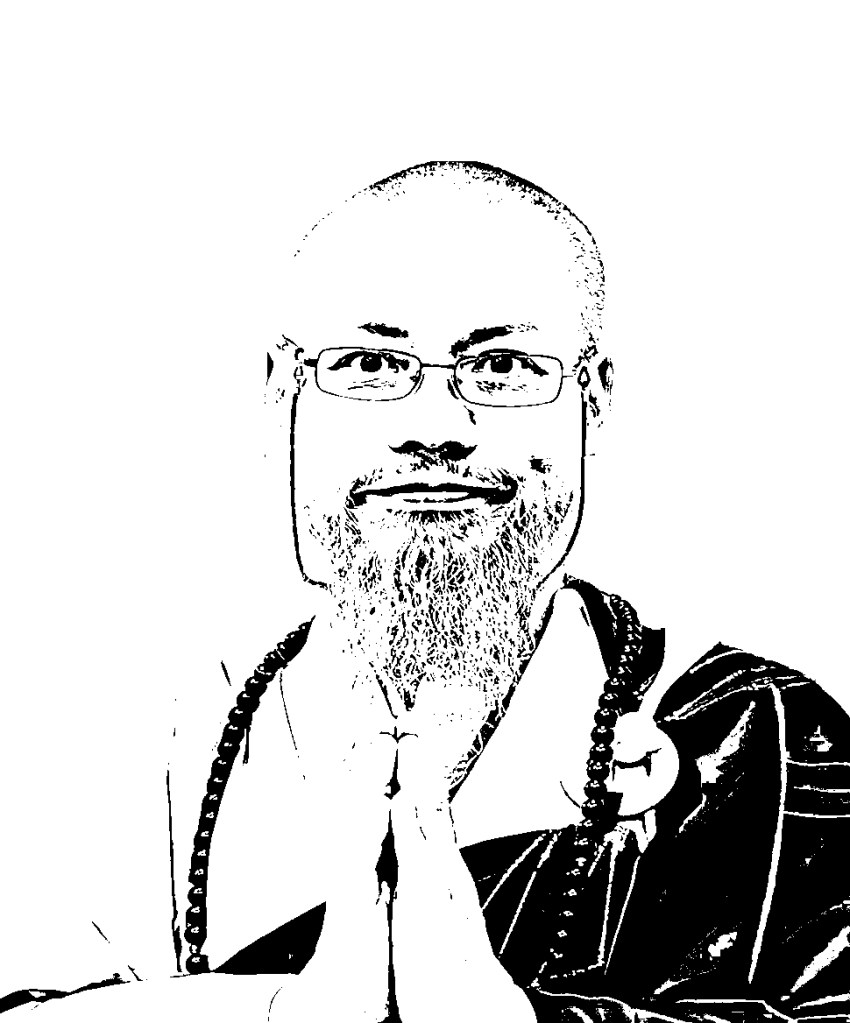
泓雲法師
美國龍佛慈悲寺開山住持
Venerable Hoongyuain Shi
Founding Abbot of American Longfo Compassion Temple
修訂版本
Revision
第一版 · 2026年
First Edition · 2026
美國龍佛慈悲寺
American Longfo Compassion Temple
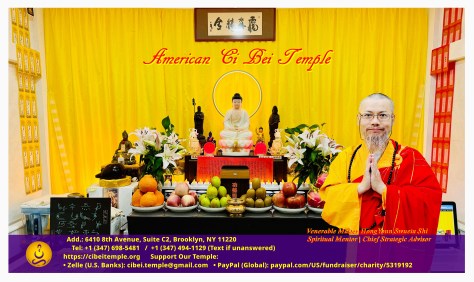



 American Ci Bei Temple美國慈悲寺