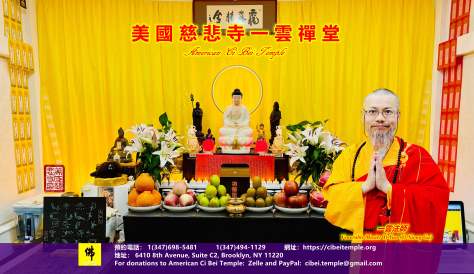
Venerable Master Hong Yun (lay name Yi-Xiong Gu) is a distinguished Zen artist, a master of Qimen Dunjia, and a respected spiritual leader. He currently serves as the Founding Abbot of the American Ci Bei Temple and Chief Divination Consultant at the New York Qi Men Feng Shui Academy.
美國慈悲寺沙彌與菩薩戒教本(Novice and Bodhisattva Precepts) 美国慈悲寺沙彌十戒(Novice Precepts) 中文(原文) English Translation & Notes 1.不杀生 Refrain from killing living creatures. (Panatipāta veramaṇī sīkhāpadaṃ samādiyāmi) 2.不偷盗 Refrain from taking what is not given. (Adinnādāna veramaṇī…) 3.不邪淫 Refrain from sexual misconduct. (Abrahmacariyā veramaṇī…) 自守“邪淫”意为已婚者不通奸 4.不妄语 Refrain from false speech. (Musāvāda veramaṇī…) 5.不酤、不飲菸酒毒,一切令人迷亂失正念之物皆當遠離。Refrain from selling, promoting, or consuming intoxicating substances, including tobacco, alcohol, and narcotics—anything that causes delusion and loss of mindfulness. 6.不奢侈华丽生活 Avoid luxurious life (perfume, garlands, flashy jewelry).(corresponds to Pāṭimokkha rule) 7.不贪享乐娱乐 Refrain from music, entertainment, dancing. (歌舞观听戒) 8.尊重他教信仰,着装注意场所 Respect other religions; dress appropriately for venue.(戒外规仪) 9.不非时食(午前食,晚称药石) Refrain from eating after noon; evening food is medicinal only. (Non‑timely eating) 10.不贪财宝物 Refrain from possession of money or valuables. (No handling of money—modern equivalent) 注释:此“十戒”基本对照南传上座部沙弥十戒经典,现代化用語并适应美国文化。此外,第8条属寺院规仪范畴,与原始十戒理念一致,增加社会礼仪说明。
美国慈悲寺沙門菩薩戒(Mahayana Bodhisattva Precepts) 一、三聚淨戒(The Threefold Bodhisattva Vows) 持戒摄(戒律修持):严格遵守戒体,不犯根本戒; 修善摄(修行善法):利益眾生,修布施、忍辱等; 度众生摄(度化他人):发菩提心、以慈悲利他为宗旨。 源自《梵网经》“菩萨心地戒品”中对菩萨持戒的三层次描述 。 二、十重戒(Ten Heavy Precepts,摘自《梵网经》) 编号 中文戒条 英文翻译 1 不杀生 Abstain from killing. 2 不偷盗 Abstain from stealing. 3 不邪淫 Abstain from sexual misconduct. 4 不妄语 Abstain from false speech. 5 不酤、不飲菸酒毒,一切令人迷亂失正念之物皆當遠離。Refrain from selling, promoting, or consuming intoxicating substances, including tobacco, alcohol, and narcotics—anything that causes delusion and loss of mindfulness. 6 不说四众过 Abstain from revealing offenses of the Four Assemblies (monastics and lay, minor or major offenses). 7 不自讚毁他 Do not praise oneself or disparage others. 8 不慳吝加毁(不可在他人請求布施佛法時,慳吝不予,且加以毀辱。要發大慈悲心度衆生) Do not withhold teachings or funds when requested; do not insult or belittle. 9 不嗔心不受悔 (不可生嗔心辱、擊眾生,且不可他人說悔求諒時不接受)Avoid anger and rejection of sincere remorse. 10 不毁谤正法三宝 Do not slander the Buddha, Dharma, or Sangha. 二者依据《梵网经》第十品,鸠摩罗什译本所列十重与四十八轻戒之大诫部分。
美國佛教在家居士的五戒(The Five Precepts for Lay Buddhists in America) 编号 中文戒条 英文翻译 1、不殺生 Refrain from killing — to respect and protect all forms of life. 2、不偷盜 Refrain from stealing — to respect others’ property and not take what is not freely given. 3、不邪淫 Refrain from sexual misconduct — to uphold integrity and respect in relationships. 4、不妄語 Refrain from false speech — to speak truthfully, mindfully, and harmoniously. 5、不菸酒毒Refrain from indulging in intoxicants such as tobacco, alcohol, and drugs — to preserve mindfulness and avoid delusion.
地址:6410 8th Avenue, Suite C2, Brooklyn, NY 11220 開放時間:每日上午11:00至下午18:00時。 預約電話:1(347)698-5481 , 1(347)494-1129 網址:https://cibeitemple.org 銀行賬戶Zelle to: cibei.temple@gmail.com PayPal在線功德賬戶:https://www.paypal.com/US/fundraiser/charity/5319192
泓雲法師|趨吉避凶轉運法 Venerable Hong Yun|The Path of Transforming Fate and Avoiding Misfortune 修行實踐 Integrating Spiritual Wisdom into Practice
一、改命認知方法 I. Methods to Change Your Destiny 批八字:首先了解自身先天帶來的天賦和利弊。目的是識命了解自己的命,而揚長避短。命是注定的趨勢。運是時空的坐標,代表着變數。變數指人為的有可改進的空間。比如目前香港和日本人均壽命算是世界上最高的,但200年前這些地方的人的人均壽命並不高。說明八字的命運,是根據社會文明程度、時代背景的不同,會有所改變。所以說命運不是注定的。 Ba Zi (Four Pillars of Destiny): By studying your birth chart, you can understand the talents and challenges you were born with. The goal is not to resign yourself to fate, but to recognize your natural tendencies and learn how to maximize strengths while avoiding weaknesses. Destiny shows a trend, while “fortune” represents variables shaped by time and space—areas where human effort can make a difference. For example, Hong Kong and Japan today enjoy some of the highest life expectancies in the world, yet two centuries ago their averages were much lower. This shows that destiny shifts with social progress and historical context—fate is not absolutely fixed. 姓名學:了解名字吉凶的誘導趨勢。及時用別號、花名來彌補命運中帶來的不足,增加好運和吉象,有助於傳播名氣和人緣,和調節自己的命運氣場,使自己的人生更加順利。 Name Studies (Onomancy): Names carry influences that can be auspicious or inauspicious. By adopting nicknames or alternative names, you can offset shortcomings in destiny, attract good fortune, enhance reputation and relationships, and harmonize your personal energy—making life smoother overall. 風水佈局:可調整和改進人住的房子,及工作的環境狀況。人為的佈局配合好的話,可以趨吉避凶,降低兇災,和給人帶來更多的好運。 Feng Shui: Adjusting the layout of your home or workplace can improve circumstances. When properly arranged, Feng Shui helps avoid misfortune, reduce disasters, and invite prosperity. 行為修養:改德、調心、積福,是改命避禍的的根本,也是最深層的改命方式。 Cultivation of Conduct: Refining virtue, regulating the mind, and accumulating blessings form the foundation of changing destiny and avoiding calamity. This is the deepest and most essential method of transformation. 宗教修持:定期堅持念佛持咒、祈福懺悔、和布施放生,會轉化業力果報,可化兇為吉,減少和降低命運中的災象程度。 Religious Practice: Consistently reciting sutras, chanting mantras, praying, repenting, and performing acts of generosity such as releasing animals can transform karmic consequences, turn misfortune into blessings, and lessen hardships that appear in one’s destiny. 重點:這五項要一起配合進行,才能改變命運和減少不順。缺少任何一項,都不完美。 Key Point: All five methods must be carried out together in harmony to truly change destiny and reduce misfortune. If any one of them is missing, the practice is incomplete.
二、業力與災象關係 II. Karma and Misfortune 災厄與病災被視為業力的顯現,是過去身或今生所造惡業成熟的果報,表現在身心痛苦之中。 Disasters and illnesses are seen as manifestations of karma—fruits of negative actions from past or present lives—expressed through physical and mental suffering. 病因不僅限於物質層面,更是「業因」與「緣起」共同作用的結果。 The causes of illness are not limited to material factors; they arise from both karmic seeds and conditions coming together. 懺悔與修持,透過改變心念與行為,能轉化業力、減少惡業的果報,從而減輕災象。 Through repentance and spiritual practice, one can transform karma, reduce the effects of negative deeds, and thereby lessen misfortune. 如何逆轉業力? How to Reverse Karma: 懺悔法門:如《地藏經》《梁皇寶懺》《大悲咒》等,透過真誠懺悔,消除罪障。 • Repentance Practices: Texts such as The Sutra of the Bodhisattva Kṣitigarbha, The Liang Huang Repentance, and The Great Compassion Mantra emphasize sincere repentance to dissolve karmic obstacles. 持咒念佛:如持《大悲咒》《藥師咒》《地藏王菩薩聖號》,可清淨心識,轉化厄業。 • Chanting and Recitation: Reciting mantras like The Great Compassion Mantra, The Medicine Buddha Mantra, or invoking the name of Bodhisattva Kṣitigarbha purifies the mind and transforms negative karma. 放生、布施、供養三寶:能累積福德資糧,減輕和化解累劫累世的惡業果報。 • Acts of Compassion: Releasing animals, giving charity, and making offerings to the Three Jewels accumulate merit and help resolve karmic burdens from countless lifetimes. 犯太歲禳解祈福法會:化解歲運氣場衝犯矛盾,減輕災厄顯現。 • Ceremonies for Tai Sui (Grand Duke Jupiter): Participating in rituals to appease Tai Sui can harmonize yearly energy conflicts and reduce misfortune. 這些並非僅是儀式,而是透過行為、心念與能量場的轉化,來影響命運的結構和運勢的走勢。 These are not merely rituals; they are processes of transforming behavior, mindset, and energy fields, which in turn reshape the structure of destiny and the trajectory of fortune.
三、現代視角:心理與行為層面解釋 III. A Modern Perspective: Psychological and Behavioral Insights 從心理學與行為醫學角度來看,宗教修持具有明確的療癒效應: From the standpoint of psychology and behavioral medicine, spiritual practice has clear therapeutic effects: 念經、持咒、靜坐等行為可活化副交感神經系統,降低壓力荷爾蒙,增強免疫力。 Reciting scriptures, chanting mantras, and meditative sitting activate the parasympathetic nervous system, reduce stress hormones, and strengthen immunity. 修持能帶來心理穩定、情緒調節與行為改善。 Spiritual practice promotes emotional regulation, psychological stability, and behavioral improvement. 懺悔與放下可釋放內在壓抑,改善身心狀態。 Repentance and letting go release internal repression and improve physical and mental well-being. 正念修持(如佛教止觀、道教靜功)可提升自我覺察,調節神經系統。 Mindfulness practices—such as Buddhist samatha-vipassana or Daoist quiet cultivation—enhance self-awareness and regulate the nervous system. 慈悲心的培養可減少憤怒與怨恨,改善內分泌與免疫功能。 Cultivating compassion reduces anger and resentment, improving endocrine and immune function. 行為轉換(如戒菸酒、素食、早睡)配合修持,形成正向循環。 Behavioral transformation—such as quitting smoking and alcohol, adopting vegetarianism, and maintaining regular sleep—combined with spiritual practice creates a positive feedback loop. 核心原則:病是果,業是因。若能轉因(心念與行為),則果可變。 Core Principle: Illness is the fruit; karma is the cause. If the cause (thoughts and actions) can be transformed, the fruit can change. 病災常與情緒、行為與環境有關。宗教修持是一種深度的行為療癒。 Misfortune is often linked to emotion, behavior, and environment. Spiritual practice is a profound form of behavioral healing.
四、總結:命理與修持整合 IV. Conclusion: Integrating Fate Analysis and Spiritual Practice 八字揭示的是命運的潛在結構,而修持則是運勢的主動干預方式。 Ba Zi reveals the underlying structure of one’s destiny, while conscious adjustments and consistent spiritual practice serve as active interventions in shaping one’s fortune. 真誠懺悔、持咒念佛、積德行善、靜坐煉氣,這些行為可作用於: Sincere repentance, mantra chanting, virtuous deeds, and meditative cultivation can: 轉化業因 • Transform karmic causes 調和氣場 • Harmonize energy fields 增強免疫力 • Strengthen immunity 減少或降低惡業果報的程度 • Reduce the severity of karmic consequences 宗教修持之所以能逆轉命運,是因為它作用於四個層面:業力、心念、行為與能量場。 Spiritual practice can reverse destiny because it works on four levels: karma, thought, behavior, and energy fields. 透過這些修行,能真正實現「轉命」,達到趨吉避凶、延年益壽,乃至最終的解脫。 Through these practices, one can truly transform fate—achieving auspicious outcomes in this life, extending longevity, and ultimately attaining liberation.
泓雲法師 Venerable Master Hong Yun, also known by his artistic name Yi-Xiong Gu, is a distinguished Zen artist, a master of Qimen Dunjia, and a spiritual leader. He serves as the abbot of the American Ci Bei Temple and the World Zen Art Center, while also holding a prominent position at the New York Qi Men Feng Shui Academy.
泓雲法師|趨吉避凶轉運法 Venerable Hong Yun|The Path of Transforming Fate and Avoiding Misfortune 修行實踐 Integrating Spiritual Wisdom into Practice
一、改命認知方法 I. Methods to Change Your Destiny 批八字:首先了解自身先天帶來的天賦和利弊。目的是識命了解自己的命,而揚長避短。命是注定的趨勢。運是時空的坐標,代表着變數。變數指人為的有可改進的空間。比如目前香港和日本人均壽命算是世界上最高的,但200年前這些地方的人的人均壽命並不高。說明八字的命運,是根據社會文明程度、時代背景的不同,會有所改變。所以說命運不是注定的。 Ba Zi (Four Pillars of Destiny): By studying your birth chart, you can understand the talents and challenges you were born with. The goal is not to resign yourself to fate, but to recognize your natural tendencies and learn how to maximize strengths while avoiding weaknesses. Destiny shows a trend, while “fortune” represents variables shaped by time and space—areas where human effort can make a difference. For example, Hong Kong and Japan today enjoy some of the highest life expectancies in the world, yet two centuries ago their averages were much lower. This shows that destiny shifts with social progress and historical context—fate is not absolutely fixed. 姓名學:了解名字吉凶的誘導趨勢。及時用別號、花名來彌補命運中帶來的不足,增加好運和吉象,有助於傳播名氣和人緣,和調節自己的命運氣場,使自己的人生更加順利。 Name Studies (Onomancy): Names carry influences that can be auspicious or inauspicious. By adopting nicknames or alternative names, you can offset shortcomings in destiny, attract good fortune, enhance reputation and relationships, and harmonize your personal energy—making life smoother overall. 風水佈局:可調整和改進人住的房子,及工作的環境狀況。人為的佈局配合好的話,可以趨吉避凶,降低兇災,和給人帶來更多的好運。 Feng Shui: Adjusting the layout of your home or workplace can improve circumstances. When properly arranged, Feng Shui helps avoid misfortune, reduce disasters, and invite prosperity. 行為修養:改德、調心、積福,是改命避禍的的根本,也是最深層的改命方式。 Cultivation of Conduct: Refining virtue, regulating the mind, and accumulating blessings form the foundation of changing destiny and avoiding calamity. This is the deepest and most essential method of transformation. 宗教修持:定期堅持念佛持咒、祈福懺悔、和布施放生,會轉化業力果報,可化兇為吉,減少和降低命運中的災象程度。 Religious Practice: Consistently reciting sutras, chanting mantras, praying, repenting, and performing acts of generosity such as releasing animals can transform karmic consequences, turn misfortune into blessings, and lessen hardships that appear in one’s destiny. 重點:這五項要一起配合進行,效果才最好。缺少任何一項都不是完美的。 Key Point: All five methods must be carried out together in harmony to truly change destiny and reduce misfortune. If any one of them is missing, the practice is incomplete.
二、業力與災象關係 II. Karma and Misfortune 災厄與病災被視為業力的顯現,是過去身或今生所造惡業成熟的果報,表現在身心痛苦之中。 Disasters and illnesses are seen as manifestations of karma—fruits of negative actions from past or present lives—expressed through physical and mental suffering. 病因不僅限於物質層面,更是「業因」與「緣起」共同作用的結果。 The causes of illness are not limited to material factors; they arise from both karmic seeds and conditions coming together. 懺悔與修持,透過改變心念與行為,能轉化業力、減少惡業的果報,從而減輕災象。 Through repentance and spiritual practice, one can transform karma, reduce the effects of negative deeds, and thereby lessen misfortune. 如何逆轉業力? How to Reverse Karma: 懺悔法門:如《地藏經》《梁皇寶懺》《大悲咒》等,透過真誠懺悔,消除罪障。 • Repentance Practices: Texts such as The Sutra of the Bodhisattva Kṣitigarbha, The Liang Huang Repentance, and The Great Compassion Mantra emphasize sincere repentance to dissolve karmic obstacles. 持咒念佛:如持《大悲咒》《藥師咒》《地藏王菩薩聖號》,可清淨心識,轉化厄業。 • Chanting and Recitation: Reciting mantras like The Great Compassion Mantra, The Medicine Buddha Mantra, or invoking the name of Bodhisattva Kṣitigarbha purifies the mind and transforms negative karma. 放生、布施、供養三寶:能累積福德資糧,減輕和化解累劫累世的惡業果報。 • Acts of Compassion: Releasing animals, giving charity, and making offerings to the Three Jewels accumulate merit and help resolve karmic burdens from countless lifetimes. 犯太歲禳解祈福法會:化解歲運氣場衝犯矛盾,減輕災厄顯現。 • Ceremonies for Tai Sui (Grand Duke Jupiter): Participating in rituals to appease Tai Sui can harmonize yearly energy conflicts and reduce misfortune. 這些並非僅是儀式,而是透過行為、心念與能量場的轉化,來影響命運的結構和運勢的走勢。 These are not merely rituals; they are processes of transforming behavior, mindset, and energy fields, which in turn reshape the structure of destiny and the trajectory of fortune.
三、現代視角:心理與行為層面解釋 III. A Modern Perspective: Psychological and Behavioral Insights 從心理學與行為醫學角度來看,宗教修持具有明確的療癒效應: From the standpoint of psychology and behavioral medicine, spiritual practice has clear therapeutic effects: 念經、持咒、靜坐等行為可活化副交感神經系統,降低壓力荷爾蒙,增強免疫力。 Reciting scriptures, chanting mantras, and meditative sitting activate the parasympathetic nervous system, reduce stress hormones, and strengthen immunity. 修持能帶來心理穩定、情緒調節與行為改善。 Spiritual practice promotes emotional regulation, psychological stability, and behavioral improvement. 懺悔與放下可釋放內在壓抑,改善身心狀態。 Repentance and letting go release internal repression and improve physical and mental well-being. 正念修持(如佛教止觀、道教靜功)可提升自我覺察,調節神經系統。 Mindfulness practices—such as Buddhist samatha-vipassana or Daoist quiet cultivation—enhance self-awareness and regulate the nervous system. 慈悲心的培養可減少憤怒與怨恨,改善內分泌與免疫功能。 Cultivating compassion reduces anger and resentment, improving endocrine and immune function. 行為轉換(如戒菸酒、素食、早睡)配合修持,形成正向循環。 Behavioral transformation—such as quitting smoking and alcohol, adopting vegetarianism, and maintaining regular sleep—combined with spiritual practice creates a positive feedback loop. 核心原則:病是果,業是因。若能轉因(心念與行為),則果可變。 Core Principle: Illness is the fruit; karma is the cause. If the cause (thoughts and actions) can be transformed, the fruit can change. 病災常與情緒、行為與環境有關。宗教修持是一種深度的行為療癒。 Misfortune is often linked to emotion, behavior, and environment. Spiritual practice is a profound form of behavioral healing.
四、總結:命理與修持整合 IV. Conclusion: Integrating Fate Analysis and Spiritual Practice 八字揭示的是命運的潛在結構,而修持則是運勢的主動干預方式。 Ba Zi reveals the underlying structure of one’s destiny, while conscious adjustments and consistent spiritual practice serve as active interventions in shaping one’s fortune. 真誠懺悔、持咒念佛、積德行善、靜坐煉氣,這些行為可作用於: Sincere repentance, mantra chanting, virtuous deeds, and meditative cultivation can: 轉化業因 • Transform karmic causes 調和氣場 • Harmonize energy fields 增強免疫力 • Strengthen immunity 減少或降低惡業果報的程度 • Reduce the severity of karmic consequences 宗教修持之所以能逆轉命運,是因為它作用於四個層面:業力、心念、行為與能量場。 Spiritual practice can reverse destiny because it works on four levels: karma, thought, behavior, and energy fields. 透過這些修行,能真正實現「轉命」,達到趨吉避凶、延年益壽,乃至最終的解脫。 Through these practices, one can truly transform fate—achieving auspicious outcomes in this life, extending longevity, and ultimately attaining liberation.
天主教、新教与佛教信仰比较 Comparison of Catholicism, Protestantism, and Buddhism
一、天主教 Catholicism 终极目标:得救、进入天堂、与天主永远同在。 Ultimate Goal: Salvation, entry into Heaven, and eternal union with God. 途径:信仰耶稣基督 + 接受圣礼 + 行善。 Path: Faith in Jesus Christ + participation in the sacraments + good works. 地狱/惩罚:拒绝天主、未悔改的大罪 → 永远与神隔绝。 Hell/Punishment: Rejecting God or dying in mortal sin without repentance → eternal separation from God. 中间状态:炼狱(净化后进入天堂)。 Intermediate State: Purgatory, a place of purification before entering Heaven. 信仰核心:信仰与善行并重,教会与圣礼是得救途径。 Core Belief: Both faith and good works are necessary; the Church and sacraments are essential for salvation. 二、新教 Protestantism 终极目标:得救、永生,与神同在。 Ultimate Goal: Salvation, eternal life, and union with God. 途径:唯独信心(Sola Fide),相信耶稣即可得救。 Path: Salvation by faith alone (Sola Fide) — believing in Jesus is sufficient. 地狱/惩罚:拒绝信仰 → 永远与神隔绝(或永刑)。 Hell/Punishment: Rejection of faith → eternal punishment or separation from God. 中间状态:一般不承认炼狱。 Intermediate State: Generally rejects the concept of purgatory. 信仰核心:圣经至上,信心为本,礼仪简化。 Core Belief: The Bible is the sole authority, faith alone is the foundation, worship is simplified. 三、佛教 Buddhism 终极目标:解脱生死轮回(涅槃),脱离苦;大乘佛教追求成佛、度化一切众生。 Ultimate Goal: Liberation from the cycle of birth and death (Nirvana), freedom from suffering; in Mahāyāna Buddhism, attaining Buddhahood and saving all beings. 途径:修行八正道、持戒、禅定、智慧,培养慈悲心与智慧。 Path: Practice the Noble Eightfold Path, keep precepts, cultivate meditation and wisdom, develop compassion and insight. 地狱/惩罚:六道轮回之一(地狱道),是业力果报,非永恒,随业力消尽可再生。 Hell/Punishment: One of the Six Realms of rebirth (hell realm), a karmic result; not eternal, rebirth is possible once karma is exhausted. 中间状态:中阴身(尤其藏传佛教强调,死后灵识有中阴阶段)。 Intermediate State: The “bardo" (intermediate state), especially emphasized in Tibetan Buddhism. 信仰核心:无我、因果业报,众生皆具佛性,人人可通过修行解脱。 Core Belief: No-self (anātman), karma and rebirth, all beings have Buddha-nature and can attain liberation through practice. 四、共同点 Similarities 伦理重视:三者都强调不杀生、行善、正直、慈爱。 Emphasis on Ethics: All emphasize non-harming, doing good, honesty, and compassion. 终极追求:超越世俗苦难,达到“永恒/解脱”的境界。 Ultimate Pursuit: Transcending worldly suffering to reach eternal peace or liberation. 群体实践:都有寺庙/教会、师父/神父牧师等传法者。 Community Practice: All have temples/churches and spiritual leaders (monks, priests, pastors). 五、主要差异 Key Differences- 对比主题 Theme 终极目标 Ultimate Goal: 天主教 Catholicism- 天堂、永生 Heaven, eternal life 新教 Protestantism- 天堂、永生 Heaven, eternal life 佛教 Buddhism- 涅槃、解脱 Nirvana, liberation 途径 Path: 天主教 Catholicism- 信仰+圣礼+善行 Faith + sacraments + works 新教 Protestantism- 唯独信心 Faith alone 佛教 Buddhism- 八正道、修行 Eightfold Path, practice 神的概念 Concept of God: 天主教 Catholicism- 一神论(天主) Monotheism (God) 新教 Protestantism- 一神论(上帝-清代中译词-和天主是一个意思) Monotheism (God) 佛教 Buddhism- 无常、无我,无造物主 Impermanence, no-self, no creator god 惩罚/地狱 Hell/Punishment: 天主教 Catholicism- 永恒地狱 Eternal hell 新教 Protestantism- 永恒地狱 Eternal hell 佛教 Buddhism- 业报地狱(非永恒) Karmic hell (not eternal) 中间状态 Intermediate State: 天主教 Catholicism- 炼狱 Purgatory 新教 Protestantism- 无炼狱 No purgatory 佛教 Buddhism- 中阴 Bardo (intermediate state) 宗教核心 Core Teaching: 天主教 Catholicism- 信仰+教会权威 Faith + Church authority 新教 Protestantism- 圣经至上、唯信 Scripture alone, faith alone 佛教 Buddhism- 因果业报、自修 Karma, self-cultivation 六、总结 Conclusion: 天主教/新教:救赎依靠信仰耶稣基督,神是核心。 Catholicism/Protestantism: Salvation depends on faith in Jesus Christ, with God as the center. 佛教:解脱依靠修行智慧与慈悲,不依赖外在神力。 Buddhism: Liberation depends on practice, wisdom, and compassion, without reliance on an external deity. 共同点:三者都追求超越生死的安乐,并强调慈悲善行。 Common Ground: All seek a state beyond birth and death, emphasizing compassion and moral conduct.
/板→板闆 /辟→辟闢 /表→表錶 /别→別彆 /并→并並併竝 /卜→卜蔔 /布→布佈 C /才→才纔 /采→采埰寀採 /彩→彩綵 /参→參蔘 /尝→嘗甞嚐 /厂→厂庵厰廠 /冲→沖衝 /虫→虫蟲 /仇→仇讎讐 /丑→丑醜 /出→出齣 D /当→當噹 /党→黨党 /淀→澱淀 /吊→弔吊 /冬→冬鼕 /斗→鬥斗 E F /发→發髮 /范→范範 /丰→豐丰 /复→復複覆 G /干→乾干幹榦 /谷→谷穀 /刮→刮颳 /广→廣广 H /哄→哄鬨 /后→後后 /胡→胡鬍衚 /划→畫劃划 /回→回迴囘 /汇→匯彙 /伙→夥伙 /获→獲穫 J /几→幾几 /奸→奸姦 /姜→姜薑 /借→借藉 /尽→盡儘 /据→據据 /卷→捲卷 K /克→克剋 /困→困睏 /夸→夸誇 L /累→累纍 /厘→厘釐 /漓→漓灕 /里→里裡裏 /历→歷曆厤 /梁→梁樑 /了→了瞭 /罗→羅囉 M /霉→霉黴 /蒙→蒙懞濛矇 /弥→彌瀰 /面→面麵麪麫 /蔑→蔑衊 N /袅→裊嫋嬝 O P /苹→蘋苹 /仆→僕仆 /铺→鋪舖 /朴→朴樸 Q /签→簽籖 /曲→曲麯 /确→確确 R S /舍→舍捨 /沈→沈瀋 /胜→勝胜 /术→術朮 /松→松鬆 /苏→蘇囌 T /台→臺台檯颱 /坛→壇罈 /同→同衕 /涂→涂塗 /团→團糰 W /挽→挽輓 X /系→系係繫 /纤→纖縴 /咸→鹹咸 /弦→弦絃 /向→向嚮曏 /须→須鬚 /熏→熏燻 Y /叶→葉叶 /佣→傭佣 /涌→湧涌 /游→游遊 /于→於于 /余→余餘 /吁→籲吁 /郁→郁鬱 /欲→欲慾 /御→御禦 /愿→願愿 /岳→岳嶽 /云→雲云 Z /赞→贊讚 /脏→臟髒 /扎→扎紮 /占→占佔 /折→折摺 /征→征徵 /只→只隻 /志→志誌 /制→制製 /致→致緻 /钟→鍾鐘 /种→種种 /周→周週 /注→註注 /准→準准 /冢→塚冢
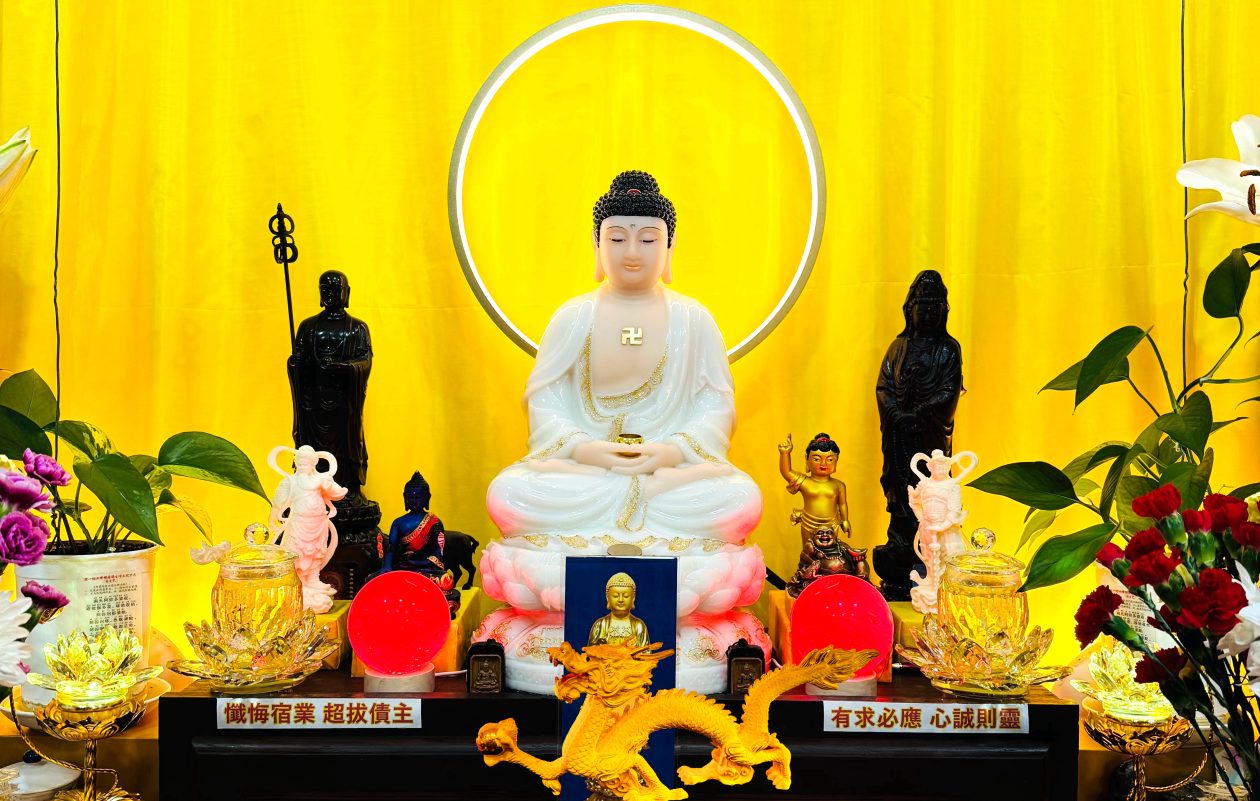
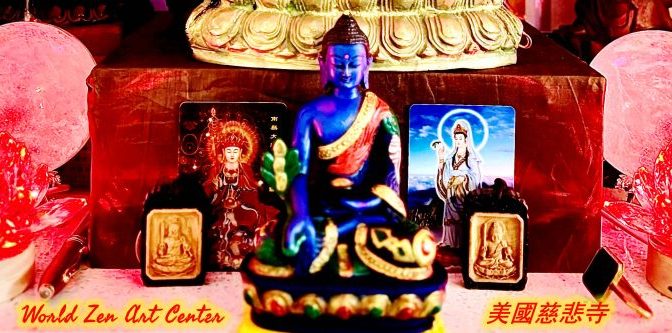
American Ci Bei Temple Inc Established in New York City on June 30, 2024, American Ci Bei Temple Inc is a Mahayana Buddhist Zen organization under the spiritual leadership of Venerable Master Hong Yun. Rooted in the compassionate spirit of the Mahayana tradition, the temple serves as a sanctuary for cultivating wisdom, compassion, and inner clarity. As the temple’s spiritual mentor, Master Hong Yun guides and inspires the fourfold assembly of disciples in the integrated practice of Zen and Pure Land teachings. Through this balanced path, practitioners are encouraged to deepen their insight, purify their minds, and progress toward spiritual liberation. Dedicated to transcending ignorance, promoting the righteous Dharma, enlightening society, and benefiting all sentient beings, American Ci Bei Temple Inc strives to bring compassion and clarity to the modern world—offering a place where individuals can discover peace, purpose, and the transformative power of the Dharma.





 American Ci Bei Temple 美國慈悲寺