
American Ci Bei Temple
Temple Introduction & Bylaws Summary
About the Temple
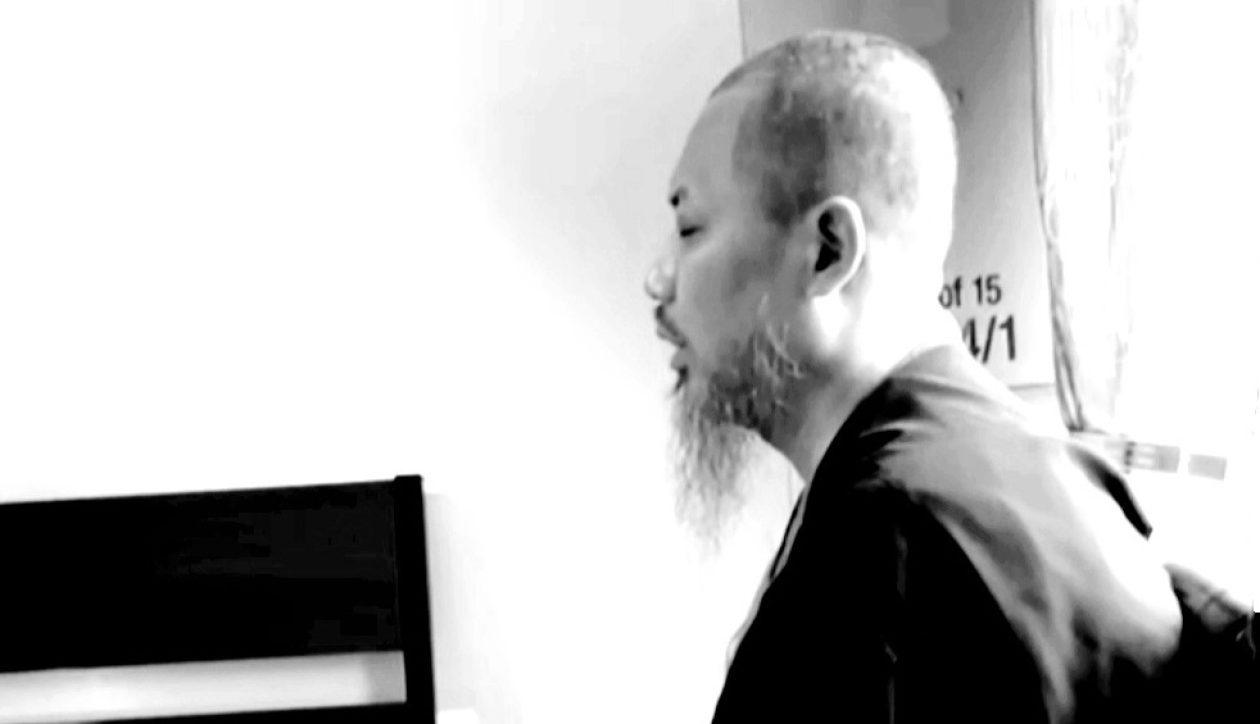
American Ci Bei Temple, is a Buddhist Zen temple established in accordance with the laws of New York State and the United States federal government. It was founded by Master Hong Yun (Yi Yun) together with the fourfold assembly of Buddhist disciples.
The Temple is dedicated to promoting Mahayana Buddhism, purifying the mind, benefiting society, and guiding all beings toward liberation and wisdom. Integrating Zen and Pure Land practices, the Temple provides a place for worship, meditation, Dharma learning, and community service. It also actively uses online platforms to share the Dharma and support the spiritual needs of the community.
Official Website: https://cibeitemple.org
Bylaws Summary
The following is a public summary of the Temple’s bylaws, outlining its nature, mission, and basic governance structure. The complete bylaws are maintained by the Temple’s membership.
- Legal Status
American Ci Bei Temple is a legally registered Buddhist religious organization in New York State and complies with applicable federal nonprofit regulations. All assets and income are used exclusively for religious, educational, and charitable purposes. - Mission & Purpose
The Temple is committed to:
- Promoting the righteous Dharma and dispelling ignorance
- Supporting Zen and Pure Land cultivation
- Serving the community and benefiting society
- Guiding sentient beings toward liberation and rebirth in the Pure Land
- Enhancing harmony and spiritual well-being
- Organizational Structure
The Temple consists of:
- Abbot – the spiritual and administrative leader
- Board of Trustees – overseeing finances and major decisions
- Buddhist Association – composed of monastic and lay members
- Zen Hall and Cultural Departments – responsible for meditation, classes, and cultural programs
- Duties of the Abbot
The Abbot is responsible for:
- Leading Dharma propagation and religious activities
- Presiding over the annual general meeting
- Managing daily operations and volunteer teams
- Preparing the annual financial report
- Implementing resolutions passed by the membership
- Membership
Temple membership includes ordained monastics and lay Buddhists.
Members have the right to vote and be elected.
The Abbot must be an ordained monk or nun. - Financial Management
- Financial management is jointly overseen by the Abbot and three trustees
- All income must be deposited into Temple accounts
- An annual financial report is presented to the membership
- No surplus may be distributed to any individual
- The fiscal year runs from January 1 to December 31
- Political Neutrality
The Temple does not participate in political campaigns or engage in activities intended to influence legislation. - Dissolution Clause
Upon dissolution, all remaining assets shall be transferred to another Buddhist or religious nonprofit organization with similar purposes. - Amendments
Amendments to the bylaws must be approved by the membership.
Interpretation of the bylaws rests with the Board of Trustees.
 American Ci Bei Temple 美國慈悲寺